


When COVID-19 hit, nursing graduates from the class of 2019 were still in their first year on the job. MCN alum Alison Alcazar acted as a resource nurse in the ICU, bringing supplies and medications to nurses in isolation rooms and helping to reposition patients. Soon, she was caring for ICU patients. “I quickly relearned about vent settings, ET tubes, arterial lines, and more,” says Alcazar, crediting her team for teaching new nurses and supporting one another throughout the pandemic.
Nurses around the globe rose to meet the public health crisis. Some stepped out of retirement to fill dire shortages. Others traveled across state lines to help COVID hotspots. Faced with increased patient loads, longer shifts, and a lack of PPE, nurses put their lives on the line in order to care for patients at their most vulnerable.
Dr. Judy Neubrander, Dean of the Mennonite College of Nursing, believes that nursing will be forever changed by the COVID-19 pandemic. “The public quickly learned the important role nurses play in the care of patients, the prevention of illness, and the essential need for nurses in every area of society,” says Neubrander. Nurses make up about 40 percent of health care workers, supporting patients on every step of their health care journey.
People are also reading…
Nurses out in the field agree. “Covid has changed our community, our careers, and our human interactions,” says Andrea Norton, an MCN alum and nurse educator in a Level 1 Trauma Emergency department in Peoria, Illinois.
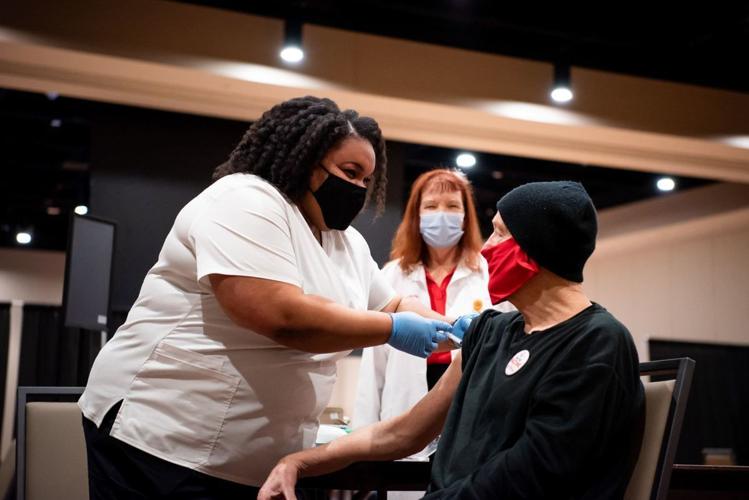
One way nursing is changing as a result of the pandemic is with an accelerated focus on public health. Neubrander says, “The slow movement towards a focus on population health and public health was pushed to the forefront of our health care system at warp speed with the inception of COVID-19.” Access to preventative care is necessary to protecting the long-term health of patients as well as lowering health care costs. Outreach is also a critical component of public health; public health teams work to improve the overall health of their communities, providing access to preventative care, as well as support for chronic conditions, behavioral health, and mental health.
The need for safe access to health care amid rising COVID-19 infections led to valuable developments in technology and innovation. Dr. Susie Watkins, Assistant Professor at MCN, explains: “The pandemic has created new opportunities for nursing to expand professional practice with technology, virtual education, and methodologies to reach vulnerable populations where health disparities exist.”
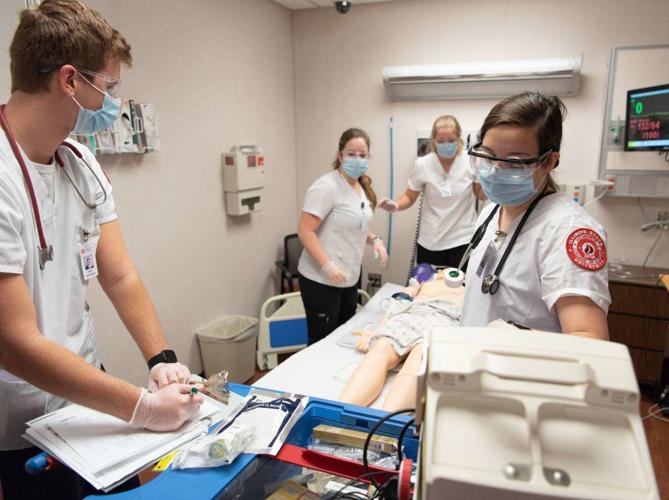
Simulated clinical experiences, such as those MCN offers in our Nursing Simulation Lab, are a prime example of these technological advancements. These simulations were already valuable tools for nursing education; however, the pandemic emphasized the importance of such facilities. “We will build upon the information technology infrastructure that was supported in the past year in order to augment nursing students’ learning experience,” says Dr. SeonYoon Chung, Associate Dean for Academics at MCN.
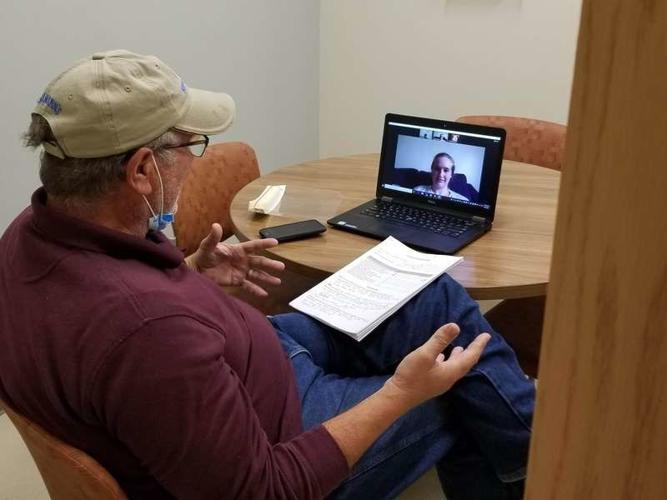
Another example of these resources includes telehealth. Previously under-utilized, telehealth appointments have become a valuable means for nurses to communicate with and care for patients wherever they are, making preventative care more accessible. MCN has integrated telehealth into the curriculum, including in simulation lab clinical experiences.
Whether it’s nursing simulation, telehealth, or other technological advancements at their fingertips, Chung affirms that “Nurses will be able to leverage the advanced technology to enhance their communication with clients, improve clients’ access to health care and health information, and promote health care coordination as part of their clinical practice.”
As with technology and public health initiatives, diversity and inclusion are necessary to addressing equity and access in health care. “It will be critical for nursing leadership to promote diversity and protect the well-being of nurses in order to ensure empowerment and retention in the workforce,” says Watkins. This involves working towards including underrepresented groups (such as people of color and LGBTQ people) in the workforce, working towards more equitable working conditions for existing nurses, and providing education on topics such as race, gender, and sexuality in order to improve the care given to patients with traditionally marginalized identities.
The pandemic further illuminated health care disparities as Black and Brown communities faced increased risk of infection, larger death tolls, and slower access to vaccines. According to the CDC, “Long-standing systemic health and social inequities have put many people from racial and ethnic minority groups at increased risk of dying from COVID-19.”
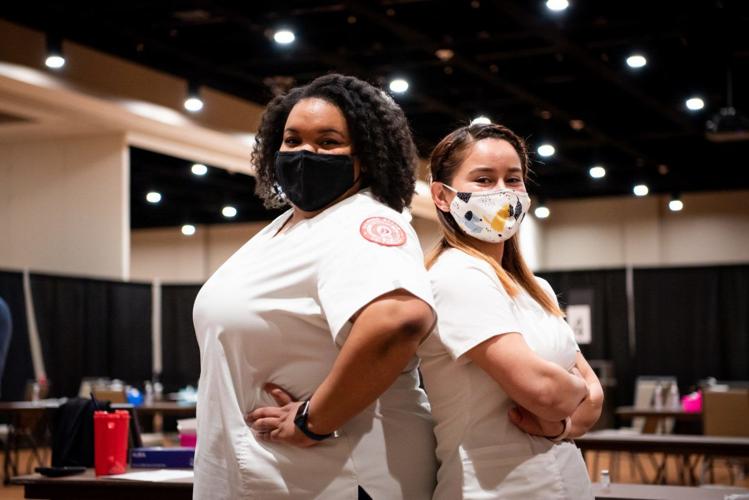
Like all fields, representation in nursing matters. We need diverse voices in nursing to improve patient outcomes and reduce health care disparities.
As the pandemic brings changes to the health care landscape, some aspects of nursing will remain steady—such as the dedication and resilience of nurses. “Nurses will continue to be there for the most vulnerable after COVID-19, as we did during the pandemic,” says Watkins. “COVID-19 has highlighted the essential role nurses assume in the entire health care system and society to promote health, prevent disease, and care for diverse population during illness.”
Quality nursing education remains all the more important, too. Nursing education plays a vital role in preparing nurses to serve their communities ethically and responsibly—and to prepare for future public health crises. Chung says, “MCN will continue to nurture nurses who display empathy, openness, advocacy, and purposeful action in providing care for others, striving to improve health locally and globally.”
The backbone of health care, nurses are meeting these health care challenges head-on. “It is now nursing’s role to grasp the steering wheel of the future,” says Neubrander. “We are ready to lead the way.”
—
For information about the Mennonite College of Nursing, please visit nursing.illinoisstate.edu, or follow us on Facebook (@NursingISU), Twitter (@NursingISU), or Instagram (@isu_nursing).


